
Paid vs Settled Rental Debt: Documents to Request
Paid and settled rental debts come with different paperwork. Paid in full means you paid the whole balance; settled means they accepted less. Paying a collector doesn’t change which one it is.
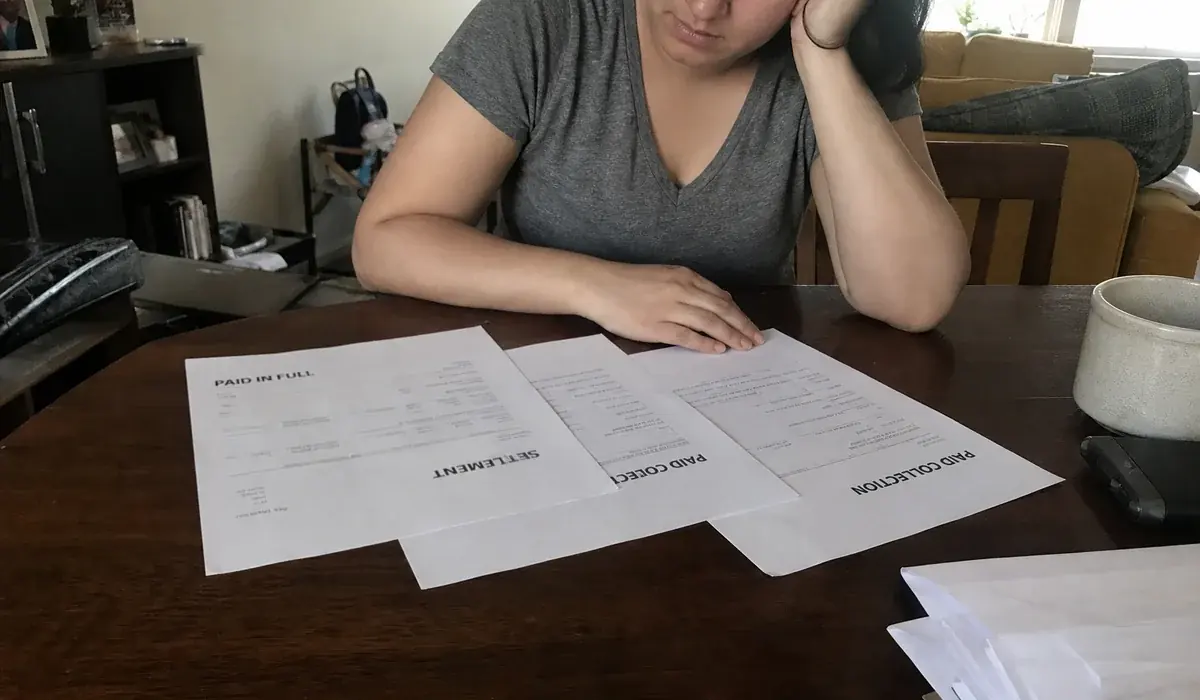
How the account ended vs who you paid
Paid in full means you paid the whole amount owed on the account. A finished settlement means the account was closed under a deal for less than the full amount. The agreement and final statement show the details.
“Paid through collections” isn’t a third outcome of its own. An account held by a collector can be paid in full or settled, like any other account.
Match the documents to what happened
- If you paid in full, ask for a statement or letter that names the account and shows the current balance.
- If you settled, keep the agreement and proof you met its terms.
- If you paid a collector, keep the collector’s name, contact details and your receipts.
- If something is in dispute, keep a record of what’s still open.
Check the wording before you send it
A settlement offer, a receipt for one payment and a letter saying the deal is finished all mean different things. Don’t send one as proof of another. If the letter doesn’t show the balance left, ask whoever sent it to add that.
How communities look at it
A community may treat paid and settled accounts differently. Some will take a paid receipt. Others want the account fully updated on your credit report first. We ask communities what they take and keep track of the answers, so you don’t have to ask around before you pay an application fee. A letter can show the balance and still not erase the broken lease or meet the community’s other rules.
We build your list from your account status and the records you have. Honest paperwork does more for you than a letter that makes the account sound more settled than it is.
Want help with your own search?
We look for Texas communities that fit your situation.